The Office of Foreign Assets Control (OFAC) is a division of the U.S. Department of the Treasury that administers and enforces economic and trade sanctions against targeted foreign countries and regimes, terrorists, international narcotics traffickers, and those involved in activities related to the proliferation of weapons of mass destruction. An OFAC license is a specific permission provided by this office for certain transactions involving sanctioned parties. In this article, we will discuss what an OFAC license is, its requirements, the application process, and the benefits it provides for businesses, as well as how it can influence international trade. For more details on this topic, you can check out OFAC license https://combatcleaningservicesca.com/pages/ofac-license-requirements-and-process.html.
What is an OFAC License?
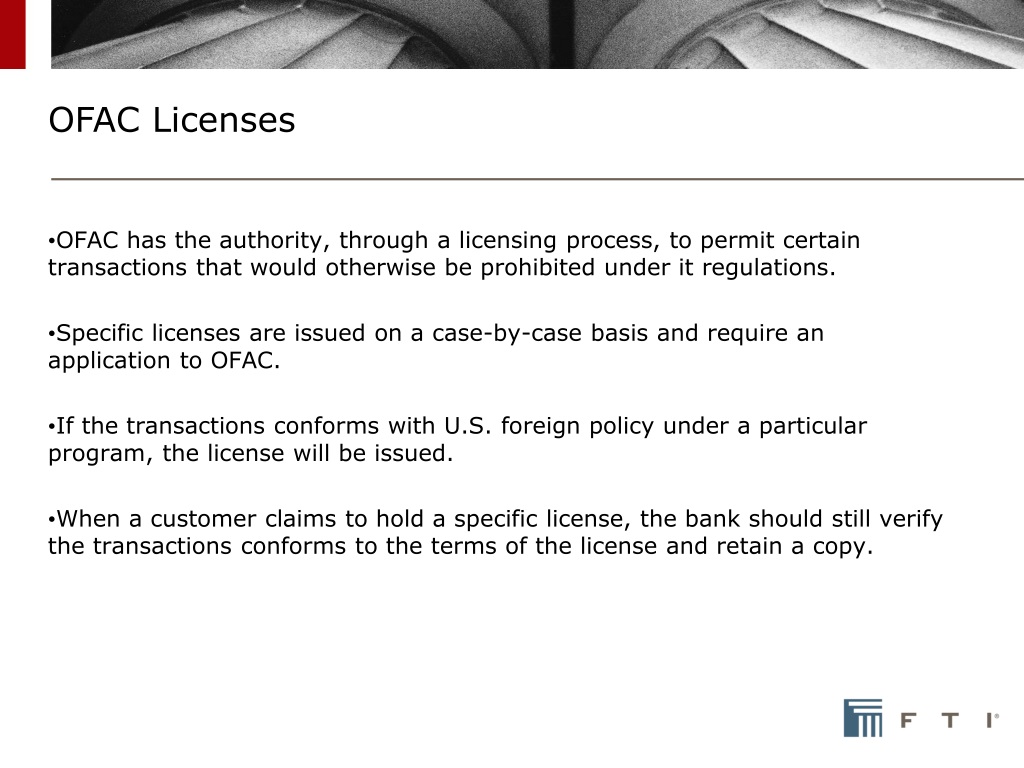
An OFAC license is a legally binding document that allows individuals or entities to engage in specific transactions that would otherwise be prohibited under U.S. sanctions laws. These licenses are crucial for businesses looking to maintain or expand their operations in international markets subject to U.S. trade restrictions. They fall into two main categories: general licenses and specific licenses. General licenses authorize broad categories of activities, whereas specific licenses grant permission for particular transactions involving designated individuals or entities.
Why Might You Need an OFAC License?
The need for an OFAC license can arise in various circumstances, particularly when a business is involved in international trade or transactions with entities located in sanctioned countries. For example, a company that wishes to import goods from a country subject to sanctions must obtain an OFAC license to avoid legal repercussions. Additionally, entities involved in the financial sector need to ensure that their transactions do not inadvertently benefit sanctioned individuals or organizations, making knowledge of OFAC regulations essential.
Requirements for Obtaining an OFAC License
To obtain an OFAC license, applicants must meet specific requirements that demonstrate their compliance with U.S. sanctions laws. The primary criteria include:
- Complete an Application: Applicants must fill out a comprehensive application detailing the nature of the requested transaction, the involved parties, the purpose of the transaction, and any potential benefits to U.S. national interests.
- Demonstrate Legitimate Needs: It is crucial for applicants to show that the license is necessary and that the request aligns with U.S. foreign policy goals.
- Provide Supporting Documentation: Submitting relevant documents that corroborate the application’s claims and intentions is essential. This may include contracts, correspondence, or other evidence of the proposed transaction’s legitimacy.
The Application Process
The OFAC license application process can be intricate and requires careful attention to detail:
- Assess the Need: Before applying, businesses should conduct thorough due diligence to determine whether a license is required and how it aligns with U.S. sanctions.
- Compile Documentation: Gather all necessary documents illustrating the transaction and its justification. Ensure clarity and compliance with the guidelines provided by OFAC.
- Submit the Application: Send the application electronically via OFAC’s online portal or by mail, ensuring that all guidelines are followed. Include a cover letter summarizing the request.
- Await Review: OFAC will review the application, which can take several weeks or longer, depending on the complexity and volume of requests. Applicants may be asked for additional information during this review period.
- Receive Notification: Upon completion of the review, applicants will be notified of the decision via email or traditional mail. If approved, the license will specify the allowed transactions and conditions.
Benefits of Obtaining an OFAC License
Obtaining an OFAC license offers several benefits for businesses, such as:
- Legal Protection: By securing a license, companies can engage in previously restricted transactions without fear of legal repercussions.
- Access to New Markets: An OFAC license enables businesses to access markets previously deemed inaccessible due to sanctions, fostering growth and sustainability.
- Improved Risk Management: By identifying the need for a license and adhering to OFAC regulations, businesses can reduce the risk of penalties and fines associated with non-compliance.
Best Practices for Navigating OFAC Regulations
Successfully navigating OFAC regulations requires companies to implement best practices that promote compliance and reduce the risk of inadvertent violations:
- Educate Employees: Conduct regular training on OFAC regulations for employees involved in compliance and international trade.
- Conduct Due Diligence: Implement thorough due diligence procedures for all transactions and partners to ensure compliance with OFAC regulations.
- Stay Informed: Regularly review OFAC updates, including changes in sanctions and license requirements, to remain informed about ongoing regulatory developments.
Conclusion
In an increasingly interconnected global economy, understanding and adhering to OFAC regulations is paramount for businesses engaged in international trade. Obtaining an OFAC license not only allows companies to navigate complex legal landscapes but also opens doors to new opportunities and markets. By educating employees, conducting due diligence, and staying informed on compliance practices, businesses can set themselves up for successful international operations while upholding U.S. trade laws. Whether you are a small company or a multinational corporation, recognizing the importance of OFAC licenses is essential in today’s global market.